
Introduction
True crime Youtuber Kendall Rae has 4.02 million subscribers. Each video on her channel depicts someone’s murder, missing persons case, or personal survival story. True crime researcher Judith Fathallah points out that she “…frequently uses the phrase “Justice for [name]” in the title of videos, and provides links to resources like fundraisers or contact details for the relevant law enforcement agencies” (2025, p.249). Her channel description notes that she uses her platform to spread awareness for victims and families, claiming she approaches all true crime content with victims in mind first (Rae, 2012). In similar fashion, true crime and history Youtuber Bailey Sarian also makes videos discussing real tales of murder and morbid history, with a cult following of over 7.93 million subscribers. The only difference from Rae is that she does her makeup while telling the timelines of horrific crimes. This popular series on Sarian’s channel is reffered to as “Murder, Mystery, and Makeup” (MMM) (Sarian, 2013). Both women tell true stories of crime, and rake in money for their personal gain from Youtube ad revenue. Production companies aren’t the only ones making dirty money from manslaughters, it seems.
Once again, members of the true crime community (TCC) are profiting off of victims’ stories and lost lives. However, instead of documentaries and co-victim testimonies telling the story, individual Youtubers are now reaping the benefits of rebranding the way true crime media is communicated. True crime media researcher Judith Fathallah defines this rebrand as the “post-true crime” genre, in which old codes of the true crime genre are used to brand the content, but then new codes are weaved in to distinctively change the genre (Fathallah, 2025). Thus, Rae disguises her monetary profit through “victim advocacy” and Sarian talks about brutal murder while blending a rainbow eyeshadow look. In this post, we will breakdown both Kendall Rae and Bailey Sarian’s videos and channels, to highlight how the new genre of “post-true crime” sugarcoats victim exploitation and murderer glorification – through a parasocial communication lens.
Kendall Rae – A Victim Advocate
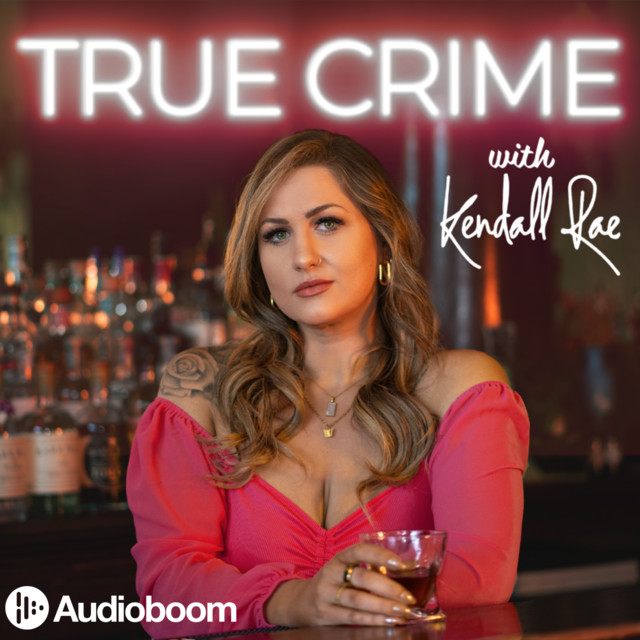
As Kendall Rae often begins her videos, let’s recognize victims first. Victimology refers to the relationship victims have with their offenders, along with psychological effects that crime has on victims (Gehrke, 2024). The traditional approach to victimology is that it’s a way for victims to be compensated for their struggling, and to receive recognition for their struggles (Gehrke, 2024). Thus, if a victim can’t speak for themselves, others interpret their story and attempt to get justice for them – especially if the case itself isn’t solved. Kendall Rae aims to represent that lost voice of victims in violent crime, based on a victim’s victimology. The only shady part about her mission is she profits off it as a full-time career.
Through her YouTube career, Kendall Rae has created an online foundation for victims and families of crime. Many people can donate money to this foundation to help with the financial issues of getting justice for victims in the legal system. The organization is named The Higher Hope Foundation. The mission statement from the website states:
“The Higher Hope Foundation was created with a singular mission: to uplift and support the victims of crime and their families. As a cornerstone of Mile Higher Media, we believe in giving those who have suffered a voice and helping them rebuild their lives. Through direct advocacy, support, and raising awareness, we aim to foster lasting change in communities affected by crime. The Higher Hope Foundation is here to make a real-world impact. Together, we can bring justice, hope, and healing to those who need it most “ (Mile Higher Media, 2024).

Clearly, the foundation was made it good spirits, and I won’t deny that. However, I do question the fact that Kendall Rae profits off of the views, engagement, and ad revenue she receives from millions of viewers and streamers on her multiple different platforms. Her passion for helping victims is there, but she also makes thousands of dollars online discussing the very detailed portions of their deaths. Advocacy in this scenario seems like an easy scape goat to surpass exploitation allegations.
Using advocacy as a way to profit is not a new thing. Through mediated communication, it’s very easy to create a parasocial relationship with your audience, as well as with victims you have never met before. In Kendall’s case, this is done through the rhetorical communication theory, or what’s also known as “the rhetoric”. Created by philosopher Aristotle, the rhetoric is defined as the available means of persuasion (West & Turner, 2021). The three main devices of the rhetoric are ethos, pathos, and logos (West & Turner, 2021). Kendall Rae utilizes the rhetorical device of pathos in her videos the most. Pathos is defined as emotional proof, or rather emotions that can be drawn from audience members. Most true media utilize this type of rhetoric to evoke emotion for monetary gain. Researchers Christine Linke and Lisa Brune point out that “…[true crime media] focuses on sensationalism by presenting dramatized portrayals of crime and violence. This can glamorize violence, trivialize the suffering and perspectives of victims and survivors, and reduce empathy for them.” (2025, p.2). Through presenting this type of media in such a raw and vulgar way, the emotion evoked from the audience makes them want to donate, but also continue to watch more of Kendall’s content. Through her use of pathos, her audiene develops a parasocial emotional connection with her, as she claims to advocate from her content while also making an entire self-profiting career out of it.
Bailey Sarian – Murder, Mystery, and Makeup (MMM)
Murder, Mystery, and Makeup launched on Sarian’s channel in 2019 (Fathallah, 2025). The series centers around Sarian doing her makeup with all different kinds of eyeshadow colors, while talking about the most infamous serial killers and homicides. Fathallah points out that “She is generally considered the originator of the “true crime and makeup” formula, which has since been taken up by YouTubers such as Danielle Kirsty (1.14 M subscribers) and Brittney Vaughn (261K subscribers) (2025, p.253). This genre of true crime story telling sets up an environment of entertainment with a narrative, while also providing a warmer tone with the task of doing makeup at the same time. The way that Sarian sets up her content in this way makes it enjoyable for viewers, which keeps the same audience coming back. However, her use of a narrative story-telling method and a visually appealing task is still a ploy to rake in money and views for her personal benefit. In fact, as of 2025, she signed with Underscore Talent Management for content creators, as her career is her social media presense (Fathallah, 2025).
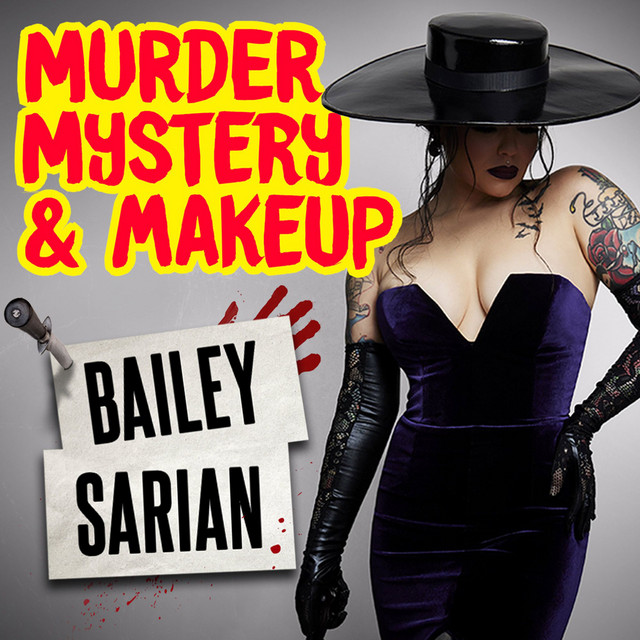
Sarian has mastered audience manipulation for personal benefit by also using the previously mentioned rhetorical device pathos. However, the way she tells the story is what captivates her followers to keep coming back. This is what theories Walter Fisher referrers to as the Narrative Paradigm. The Narrative Paradigm promotes the belief that humans are storytellers and that values, emotions, and aesthetic considerations ground our beliefs and behaviors (West & Turner, 2021). Through her personal branding, aesthetic, and morbid storytelling of true crime media, she has created a space of interest for the TCC. The way she promotes her content centered around “personal interest” makes it feel less exploitative, and more curious. However, through this branding and narrative approach, she is still accumulating thousands of dollars through others’ suffering. Because people consume her “aesthetic beauty and blood” content, they think it’s okay to market off of co-victim’s trauma. Her content clearly aims to captivate people through a true crime lens, but then keep you interested with her makeup skills and personality. Thus, you as the viewer have formed a parasocial relationship with the true crime media maker – who profits off of your emotion and victims who can’t speak for themselves.
Discussion Questions:
- Have you ever engaged with these two specific true crime media YouTubers? Do you like their content?
- Do you go to YouTube for your true crime content? Or do you engage with it online through podcasts and online threads as well?
- Do you think these YouTubers only make this content for the money? Is there an ethical approach to making this type of content? Explain your thoughts.
References
Fathallah, J. (2025). “I guess moral of the story is if you’re going to kill somebody do it in texas?” “murder, Mystery and Makeup” as post-true crime. Popular Communication, 23(3), 1–18. https://doi.org/10.1080/15405702.2025.2552778
Gehrke, C. (2024). An Analysis of True Crime’s Treatment of Murder Victims. Journal of Victimology and Victim Justice, 7(1), 51-72.
Mile Higher Media. (2024, December 9). Higher hope foundation | mile higher media. NPC Hello. https://milehigher.com/higher-hope/
Linke, C., & Brune, L. (2025). Intimate yet exploitative: Representations of gender-based violence in platformed true crime narratives. Media and Communication, 13(3). https://doi.org/10.17645/mac.8964
Rae, K. (2012). Kendall rae – YouTube. http://www.youtube.com. https://www.youtube.com/@KendallRae
Sarian, B. (2013, January 2). Bailey sarian – YouTube. http://www.youtube.com. https://www.youtube.com/@BaileySarian/featured
West, R., & Turner, L. (2021). Introducing communication theory: analysis and application. McGraw-Hill.

