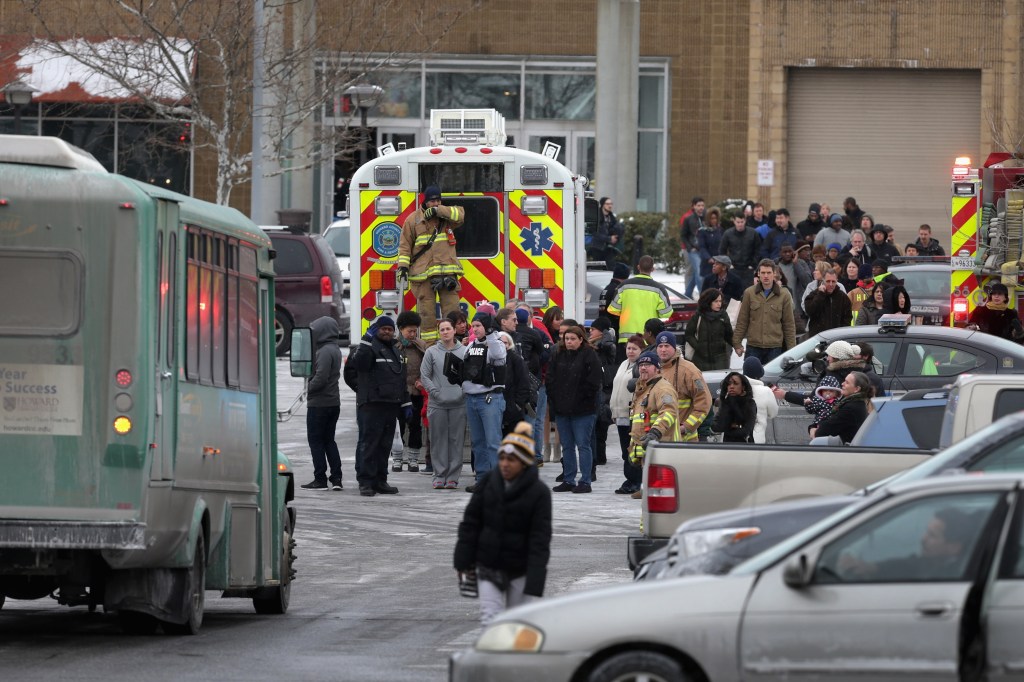
In January of 2013, at 11:14am, a Columbine copycat killer killed two people at a Maryland Mall. The shooter was 19 years-old.
Introduction
Darion Aguilar was just 19 years-old when he committed suicide after killing two people in a skate shop in Maryland (Gladwell, 2015). His community was utterly shocked. According to his friends, he wanted to be a chef, believed in inner peace, and loved plant biology (Gladwell, 2015). Months before the attack, he went to a doctor to discuss non-specific, non-violent voices that weren’t really telling him to act in any way (Gladwell, 2015). However, a deep dive on the internet led his non-violent voices to commit mass murder; with his inspiration surrounding the Columbine killers’ methods. According to New Yorker writer Malcom Gladwell (2015), “Aguilar dressed up like Eric Harris. He used the same weapons as Harris. He wore a backpack like Harris’s. He hid in the changing room of the store until 11:14 A.M.—the precise time when the Columbine incident began—and then came out shooting” (p.4). Aguilar didn’t need a motive; he just followed the cultural script of a mass shooter and became another internet copycat killer.
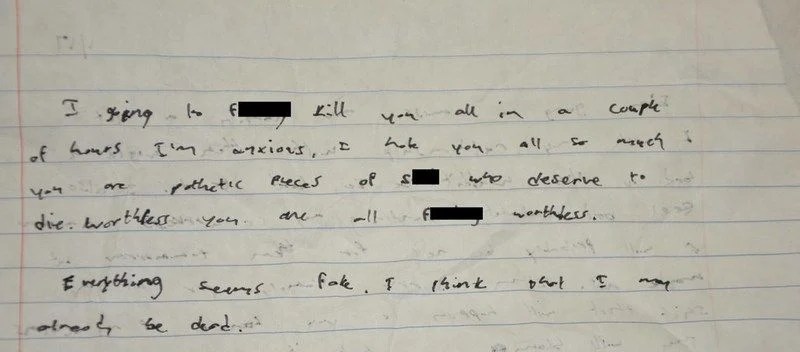
It’s no surprise that mass murder is a major headline. The most infamous killings are subject to the most mass media reporting and analysis, as multiple victim counts intrigue the public more (Murray, 2017). In fact, copycat killer researchers Eric Madfis and Adam Lankford note that “These fame-seeking offenders are particularly dangerous because they kill and wound significantly more victims than other active shooters, they often compete for attention by attempting to maximize victim fatalities, and they can inspire contagion and copycat effects” (2018, p.260). True crime journalism is now becoming a roadmap on how to commit a murder, and members of true crime community (TCC) aren’t just being weirdly parasocial anymore. Instead, they are taking inspiration from the media they consume, and becoming the killers they are infatuated with. Through the use of communication theory in today’s final blog post, I will finally examine arguably the worst effect of parasocial true crime media consumption: becoming the killer yourself.
Cases of Copycat: The Internet is the Unsub (Unidentified Subject)
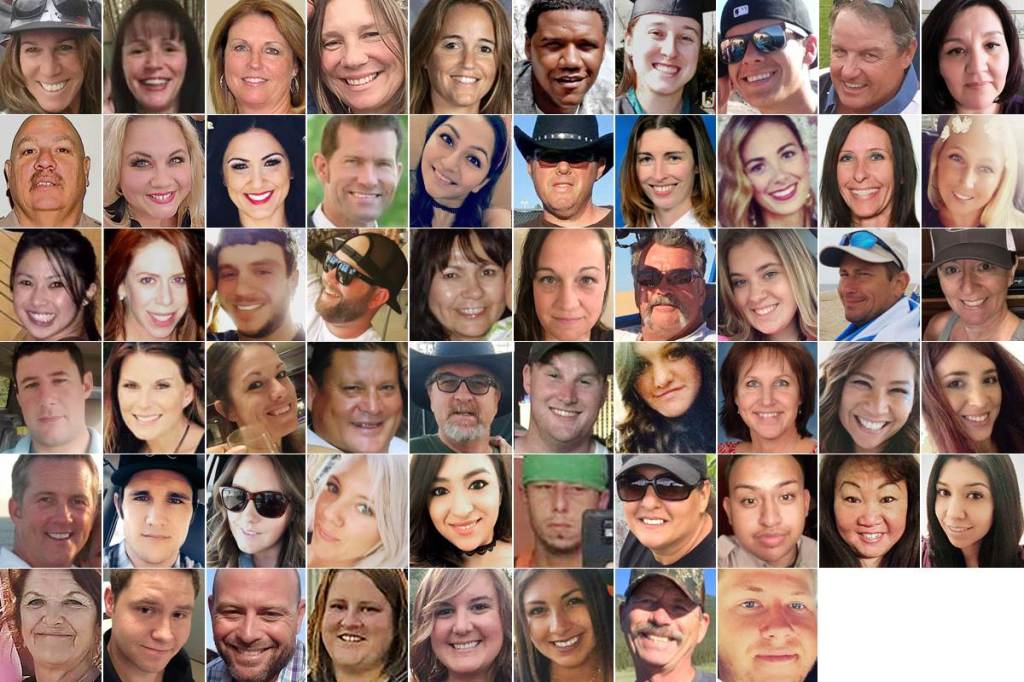
One may argue that becoming the killer yourself initially requires one’s mind to be mentally disturbed. And while this may be true, school shootings still have a serious problem of catching on. Gladwell (2015) argues that:
“[Columbine killers Kelbold and Harris layed down a “cultural script” for the next generation of school shooters…The problem is not that there is an endless supply of deeply disturbed young men who are willing to contemplate horrific acts. It’s worse. It’s that young men no longer need to be deeply disturbed to contemplate horrific acts” (p.8).
Clearly, the internet’s publications about the 1999 Columbine shooting are the initial resource used to copy and guide someone to commit a mass shooting. To prove this is true, here are some examples. The 2024 Apalachee high school shooter translated the Sandy Hook shooter’s name into a different language and adopted it as his own social media username (Lankford & Silva, 2024). The 2017 Sutherland Springs church shooter discussed with his co-workers that he thought the Charleston church shooter was “cool” (Lankford & Silva, 2024). The 2022 Buffalo shooter wrote the names of mass shooters he idolized on his semi-automatic rifle before killing ten people (Lankford & Silva, 2024). And finally, the 2007 Virginia Tech shooter wrote in his manifesto that he was joining a revolution started by the Columbine shooters (Lankford & Silva, 2024). Reseracher Peter Langman (2018) also points out that “Contagion and copycat behavior among mass killers is often discussed in the media when there are multiple attacks within a short span of time” (p.210). Clearly, mass shooter fan boys become the mass shooters. And the task doesn’t seem that daunting to those idolizing killers – because a “how to kill manual” is always left behind for the next inquisitive mind to copy and paste.
However, copying and pasting a killer act requires a certain repetition of communication via mass media. In the case of mass shooters, each shooting contributes to the inspiration of another – creating a domino effect. This can be explained through the communication analysis of cultivation theory. Developed by George Gerbner, cultivation theory is defined as the concept that our perceptions of world are determined by the messaging and depictions of life via mass media production (Potter, 2014). Back when the theory was created, the most common form of mass media information spread was through watching the television (Potter, 2014). In today’s world, mass media information spread has thousands of mediums to spread information to the public through. And mass shootings are multiplying faster than the public could have imagined after Columbine. Thus, the cultivation of countless sources discussing a mass shooters plan is the problem. The spread of manifestos, reasonings, and materials used for school shootings is contributing to a frenzy of mean world syndrome. Blank or demented minds have unlimited access to all kinds of mass shooter information, which ultimately cultivates the idea to become a copycat killer for the sake of past shooters’ “mission”.
A Final Warning: We are All Guilty of Glorifying Murder
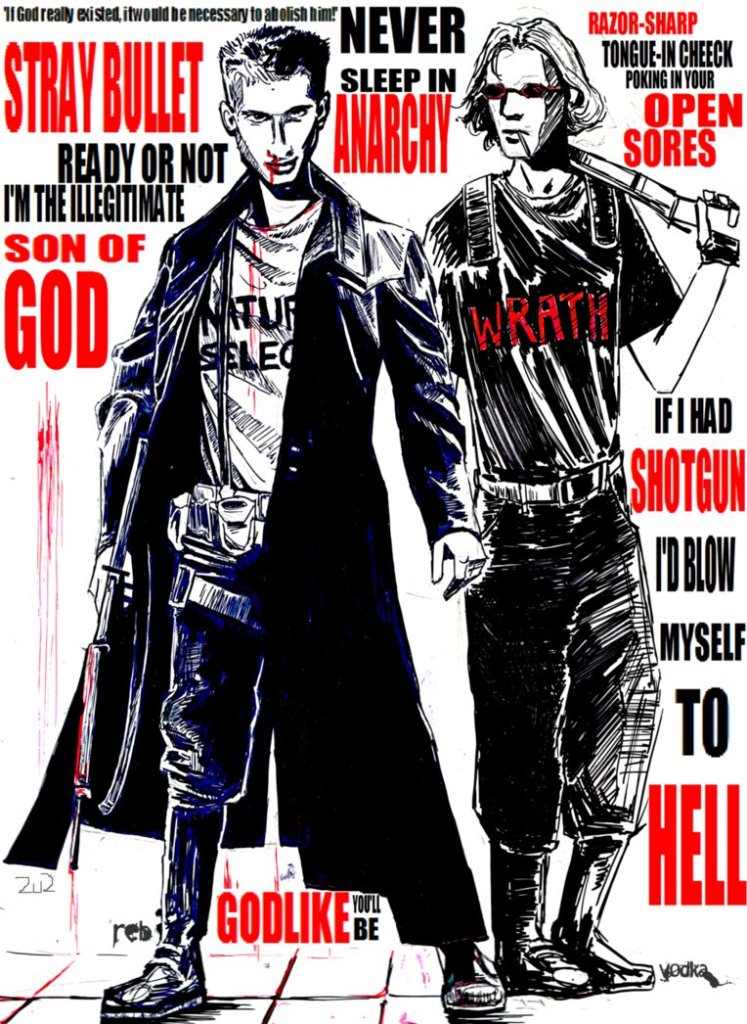
For the sake of hundreds of lives lost, let me state one more time why the parasocial consumption of true crime media needs to stop: you have no idea what is going on in someone’s head. This phrase goes for victims, co-victims, survivors, suspects, convicted killers, and of course, soon-to-be killers. After the 2017 concert Las Vegas shooting, which killed 58 people and wounded 400, lawmakers and criminologists posted an open letter to the media, begging for the elimination of individual mass shooter attention (Lankford & Silva, 2024). Too many people give shooters attention they don’t deserve, and too many people want that same attention to finish the previous shooters’ mission. Through giving these mass shooters metaphorical horns with non-stop coverage, the media is also allowing people to see repeated exposure as a way to give mass shooters metaphorical halos as well.
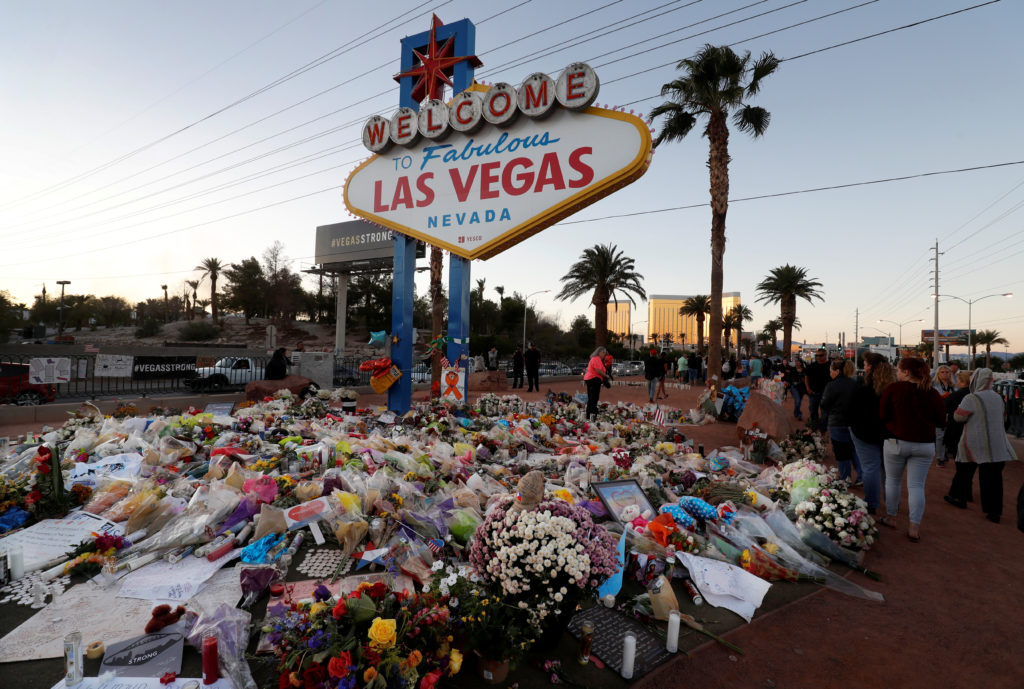
The “Welcome to Las Vegas” sign is surrounded by flowers and items, left after the October 1 mass shooting, in Las Vegas.
However, the halos and horns are not just metaphorical – they are an actual effect of non-verbal communication theory. The halo effect is what is referred to as “what is beautiful is good” (Burgoon et al., 2021). The horn effect is the same idea, but in reverse: what is ugly is bad (Burgoon et al., 2021). Mass shooters wear these effects, these halos and horns, as time progresses. Mass shooters wear horns in the beginning, and as public opinion begins to take over the story, certain minds change the horns to halos. They idolize their work, post about it on Reddit, and then plan to commit the same shooting with the same “vengeance”. Copycat shooters want the same attention, and capitalize on the suffering of others to get praise from other sick minded people. It’s unfortunate to admit, but the publication of Columbine created a massive trend that doesn’t seem to stop.
A Final Conclusion: Consume True Crime Media Ethically
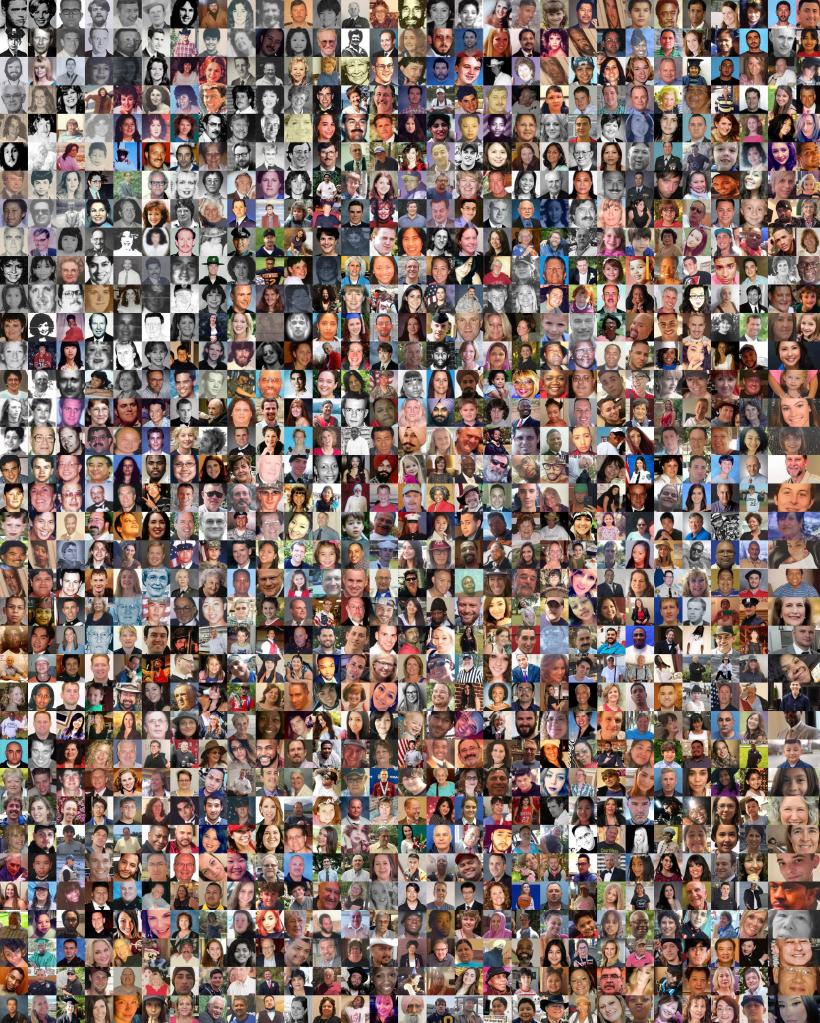
To end this series off, it’s important to acknowledge that other people agree with me. Lankford and Madifs (2018) point out that:
“In accordance with our proposal that the media should not show the names or images of these offenders but report everything else as they see fit, we would support the publication of such material as long as the offenders’ identities are completely obscured. This could be accomplished by digitally blurring the face of the offender, in the same way that television networks regularly obscure other explicit parts of photos or videos prior to release (p.271)”.
In order to limit the spread of ideas of murder, mass shootings, kidnappings, rape, and the slaughter of innocent lives, we need to censor the way we inform, discuss, and promote true crime. As stated previously, you never know who is listening. Copycat killers in the mass shooting realm have all gotten their inspiration and road maps to committing massacres from media frenzies and mass shooter publications. Thinking about how much true crime media is out there, it frightens me that people are capable of copying such violet acts from conversation and a lack of federal mandate. I’ll leave you with this: exploiting crime is easy, but cleaning up the mess from it is a lot harder.
Discussion Questions:
- Do you think this “cultural script” is the only reason why parasocial copycat shootings occur? What would be your other reasoning?
- Do you plan to continue engaging with true crime media after reading this series? Why are why not?
- Copycat killers often love the attention of committing mass murder. Can you justify media coverage when it is only from a victim’s perspective?
References
Burgoon, J. K., Guerrero, L. K., & Floyd, K. (2021). Nonverbal communication (2nd ed.). Routledge, Taylor & Francis Group.
Gladwell, M. (2015, October 19). Thresholds Of Violence. The New Yorker, 91(32), 30. https://link-gale- com.libproxy.fullerton.edu/ apps/doc/A432904074/LitRC?u= csuf_main&sid=bookmark-LitRC&xid=9d992947
Murray, J. L. (2017). Mass Media Reporting and Enabling of Mass Shootings. Cultural Studies and Critical Methodologies, 17(2), 114-124.
Langman, P. (2018). Different Types of Role Model Influence and Fame Seeking Among Mass Killers and Copycat Offenders. American Behavioral Scientist, 62(2), 210-228.
Lankford, A., & Madfis, E. (2018). Don’t Name Them, Don’t Show Them, But Report Everything Else: A Pragmatic Proposal for Denying Mass Killers the Attention They Seek and Deterring Future Offenders. American Behavioral Scientist, 62(2), 260-279.
Lankford, A., & Silva, J. R. (2024). Similarities between copycat mass shooters and their role models: An empirical analysis with implications for threat assessment and violence prevention. Journal of Criminal Justice, 95, 102316. https://doi.org/10.1016/j.jcrimjus.2024.102316
Potter, W. J. (2014). A critical analysis of cultivation theory. Journal of Communication, 64(6), 1015–1036. https://doi.org/10.1111/jcom.12128
 The Arm Chair Detective